
Automotive care
Silicone emulsion for tire and vinyl dressing formulations
Use technical-grade EMS-4000 in water-based tire and vinyl dressings. Evaluate gloss, water repellency, surface feel and uniform application.
At a glance
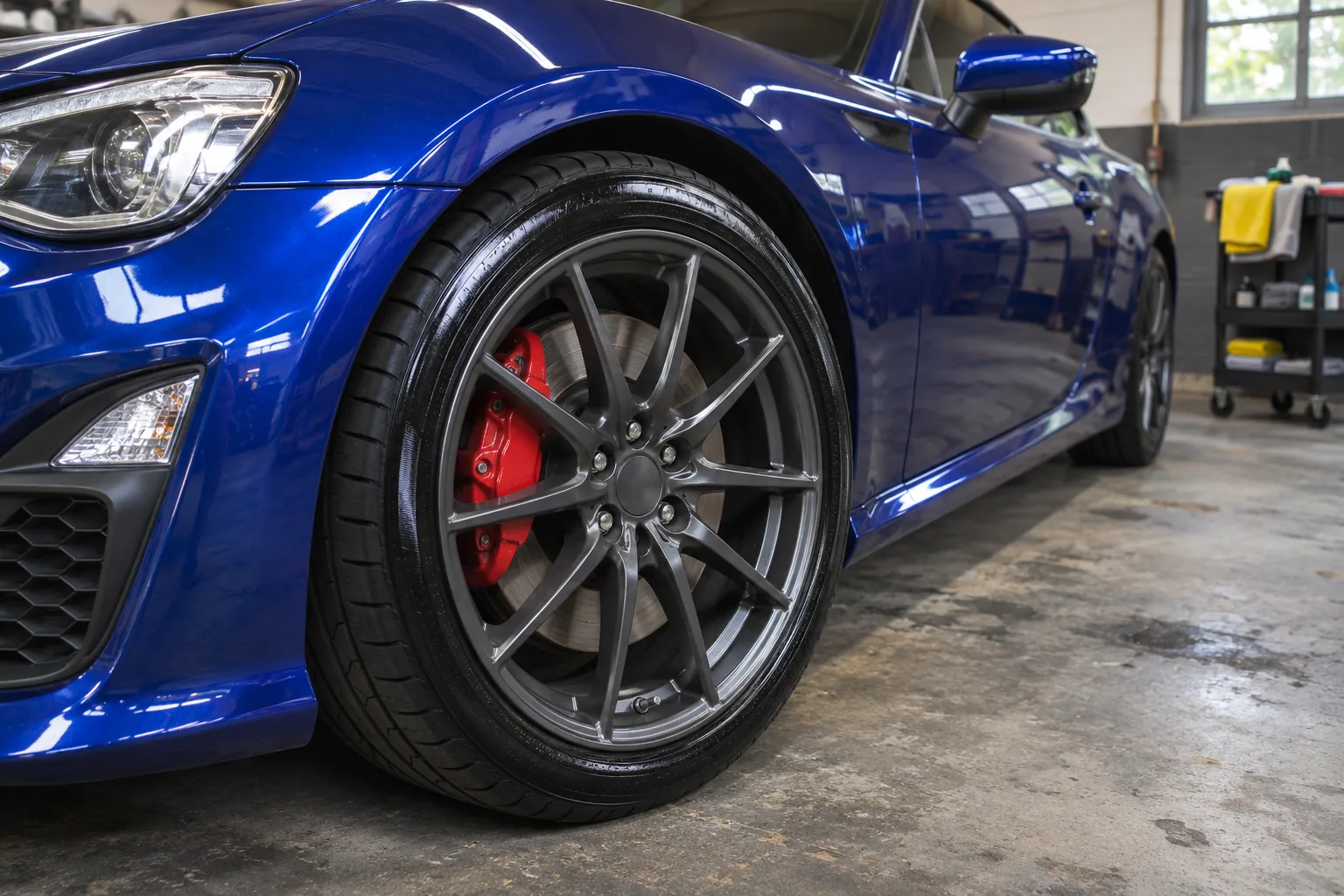
Technical-grade SILCULAR™ EMS-4000 is a 60% active, nonionic, water-based silicone emulsion with a 350 cSt PDMS base fluid. For tire and vinyl dressing formulations, evaluate gloss, water repellency, surface feel and application uniformity against your finished-product targets.
What does silicone emulsion contribute to a dressing?
EMS-4000 is a silicone ingredient for water-based automotive and furniture-care formulations where gloss and water repellency matter. For a tire or vinyl dressing, compare the desired satin or glossy finish, surface feel and uniform coverage on the intended substrate using the complete formulation.
First, identify the intended tire-sidewall substrate and desired appearance. For vinyl or trim care, define the exact surface and finish. Establish the intended use of the finished product and follow the relevant surface and vehicle guidance when defining an evaluation.
How should you compare appearance and application?
- Gloss: compare the treated surface with a defined reference at consistent lighting and evaluation times.
- Uniformity: record streaks, pooling or uneven appearance using the same application method.
- Surface feel: evaluate tack, residue and the desired finish after the specified drying interval.
- Rubout and transfer: use your chosen method to assess the finished formulation rather than the emulsion alone.
- Water exposure: define the exposure and assessment conditions needed for your product requirements.
Keep the substrate preparation, application quantity and evaluation method consistent between samples. As a result, you can connect a change in the formulation to an observed result.
How do you calculate active silicone content?
On a weight basis, multiply the percentage of EMS-4000 in the finished formulation by 0.60 to calculate the active silicone contribution from this ingredient.
For example, 5 kg of a 60% active emulsion in a 100 kg finished batch contributes 3 kg of active silicone, or 3% by weight. This is a material-balance example; select the working concentration through your formulation requirements and evaluation.
Record whether quoted percentages describe supplied emulsion or active silicone. For commercial comparisons, include measured application consumption and accepted finished-product performance alongside ingredient pricing.
What should you check in the complete formulation?
Record the other ingredients, target pH, preparation method, water used and required holding time. Assess the appearance and uniformity of the prepared formulation over the interval it must remain usable. Request current EMS-4000 handling and dilution guidance for the proposed system.
The 350 cSt value describes the base silicone fluid. However, it is not the viscosity of the supplied emulsion or your finished dressing. Therefore, evaluate mixing, dispensing and application using information relevant to the material you will handle.
What helps ECO USA respond to a sample request?
Send the target surface, desired appearance and feel, current formulation type, application method and expected consumption. Also, include the quantities you want to discuss and any documentation requirements.
Can the same trial cover furniture care? Use the same principle of defined targets, but evaluate the actual furniture finish and completed formulation separately.
Should I compare EMS-4000 with EMS-5100? Both are 60% active emulsions, with different base-fluid viscosities. Use our emulsion comparison guide to plan that discussion.
Sources & product documents
Products in this guide
Product knowledge
Related guides
Emulsion comparison
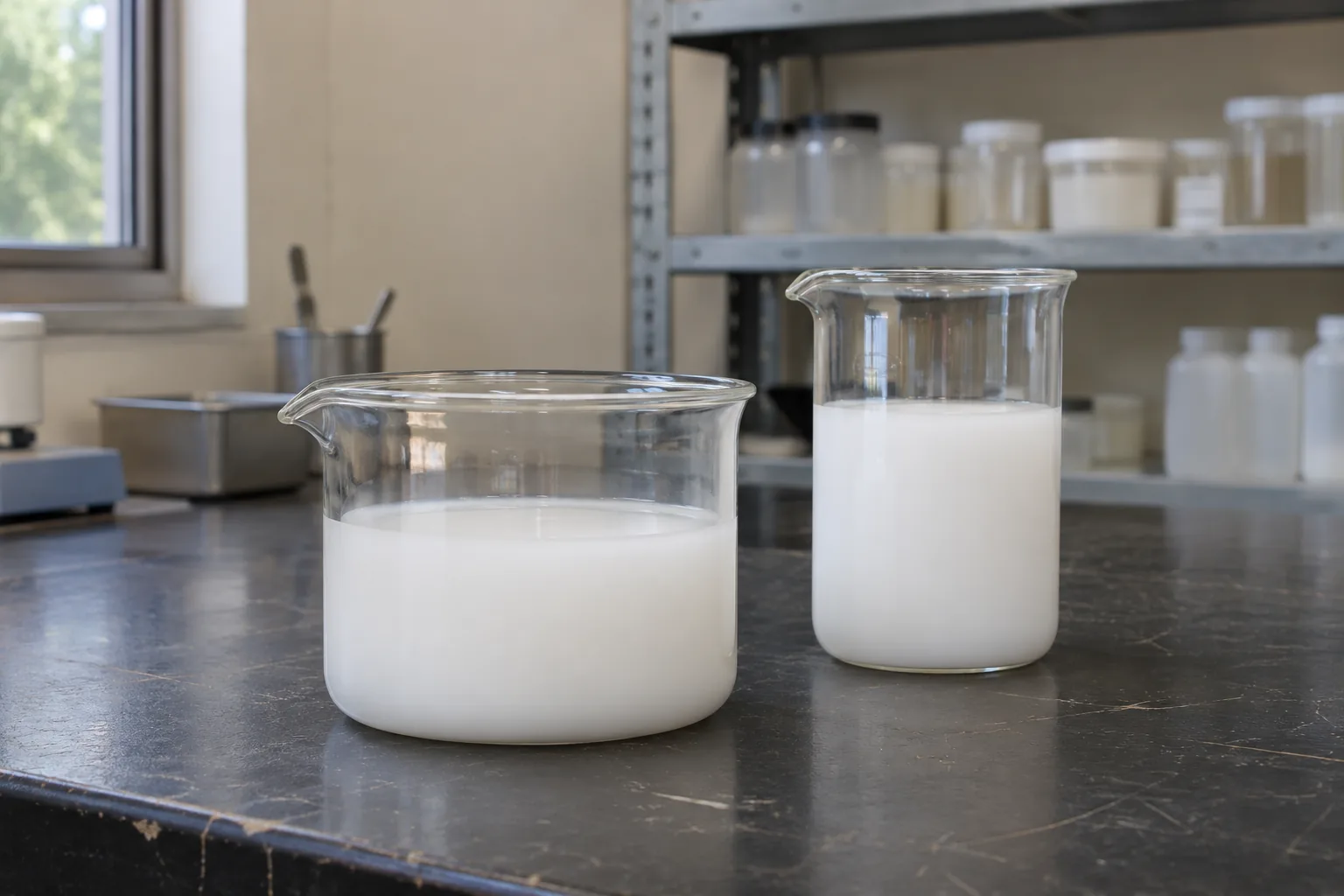
EMS-4000 vs EMS-5100: choosing a silicone emulsion
Compare technical-grade EMS-4000 and EMS-5100 emulsions for gloss, water repellency, mold release and textile lubrication, with 350 and 1,000 cSt bases.
2 min readRead guide
Application testing
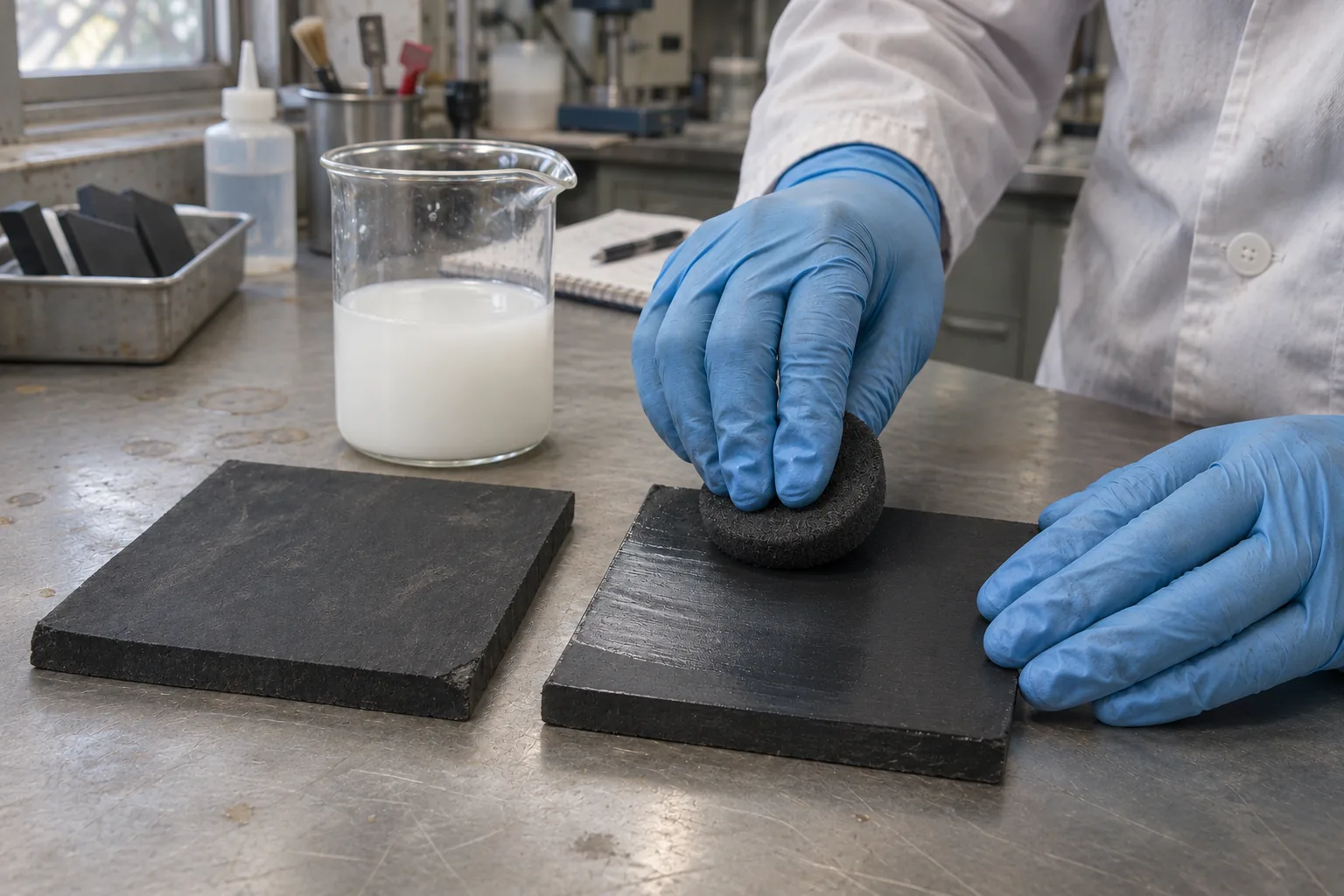
Planning a silicone emulsion application trial
Test technical-grade silicone emulsions for gloss, release and textile lubrication. Compare application uniformity, consumption and finished-product results.
2 min readRead guide
Technical documentation
SDS vs TDS: documents for silicone product qualification
Use SDS and TDS documents to evaluate technical-grade silicone products. Review application performance, test conditions, handling and purchasing requirements.
2 min readRead guide