
Industrial process lubrication
Silicone emulsion for rubber extrusion and conveyor lubrication
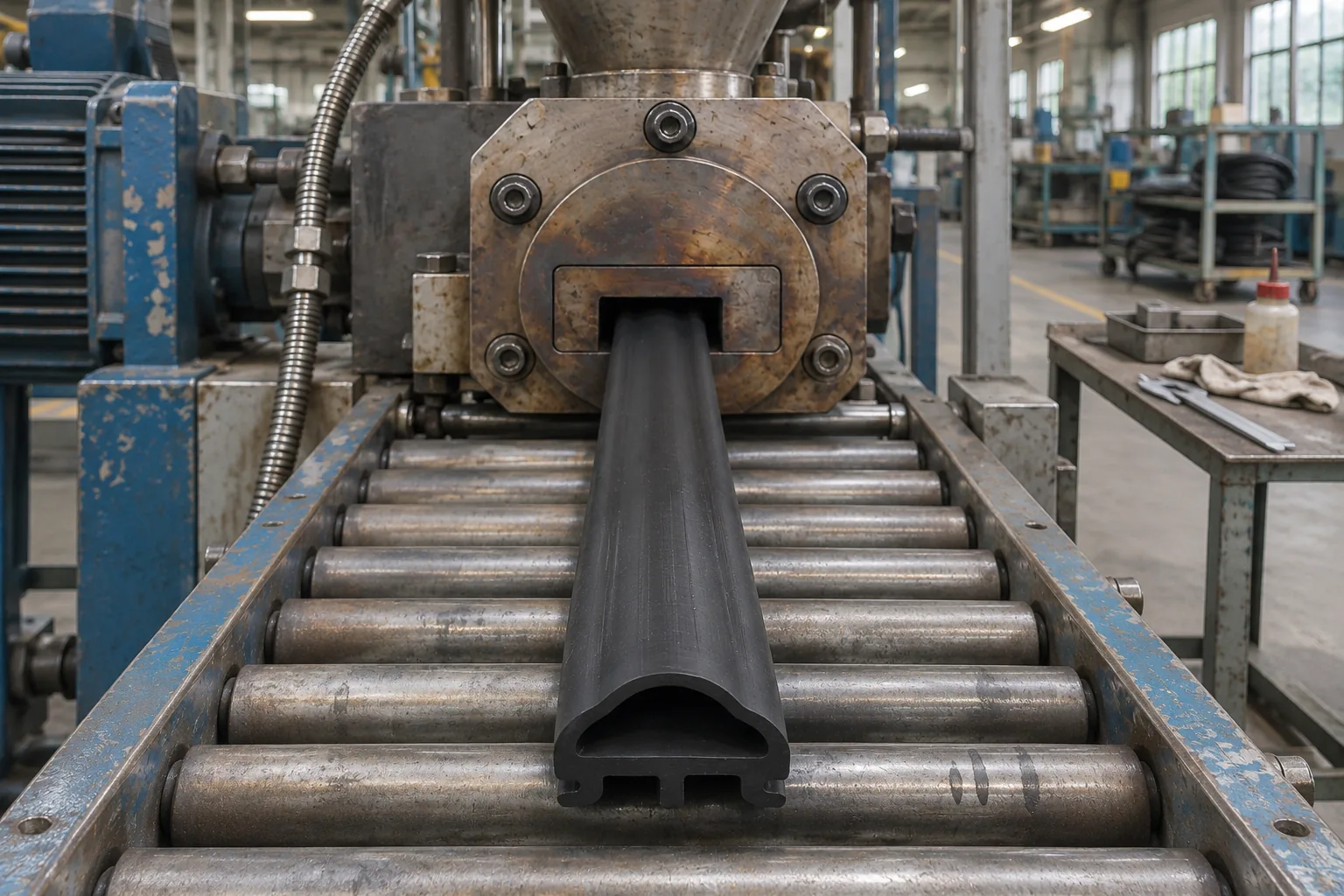
Review technical-grade EMS-4000 for extruded-rubber handling and conveyor interfaces. Evaluate slip, application consumption and finished-part condition.
At a glance
Technical-grade EMS-4000 can be evaluated for lubrication associated with rubber extrusion and conveyor handling. Define the contact interface and required slip or movement, then compare application consumption, handling consistency and finished-part condition. Qualify the emulsion with the actual materials and equipment requirements.
Identify what needs lubrication
Define the handling performance at the specific conveyor or guide interface: where the rubber part needs controlled movement, what it contacts and which surfaces must retain grip. Set a measurable slip or friction-related target and include the required finished-part condition in the evaluation.
For rubber extrusion and subsequent handling, identify the compound and the exact stage where a lubrication trial is proposed. Include the contact materials, existing process and the required finished-part condition.
What EMS-4000 information matters?
EMS-4000 is a 60% active, nonionic, water-based silicone emulsion formulated with a 350 cSt PDMS base fluid. These characteristics identify the material for a formulation discussion; they do not replace the equipment-specific approval and process evaluation.
General technical references describe silicone emulsions as industrial release and lubrication materials for rubber and plastic operations. Discuss the intended interface with ECO USA to establish the information and sample needed for a focused trial.
Define the production trial
- Operating context: record the materials, contact conditions and relevant process settings.
- Desired result: define the handling, slip or friction-related outcome in measurable terms.
- Application: record the working formulation, concentration and amount applied.
- Equipment requirements: use the equipment manufacturer’s approved evaluation procedures and acceptance requirements.
- Finished-part result: assess appearance, residue and any later cleaning, joining or finishing operation.
Keep a process reference and a written record of the evaluation conditions. Use an agreed interval to assess consistency, application consumption and whether the target outcome is maintained.
Evaluate the whole working system
Ask for current handling and dilution guidance for the proposed system. Record water requirements, mixing method and holding time, and evaluate the prepared formulation over the interval it must remain usable.
Include any surfaces or components that may contact the applied material. Review the complete material and process requirement with the responsible team rather than selecting a lubricant only from its silicone content.
If your process requires a neat silicone fluid instead of an emulsion, compare the supplied forms in our oil versus emulsion guide.
Prepare a useful technical and commercial inquiry
Tell ECO USA what is moving against what, the process stage, application equipment and the outcome you need. Include the current lubricant or working system, estimated consumption, supply quantity and documentation requirements.
Is there one dilution for every conveyor? The working system depends on the materials, application and equipment requirements. Request guidance for the specific use and qualify the proposed formulation.
Does the 350 cSt value describe the supplied material? It is the base silicone-fluid viscosity. Request the information relevant to the supplied emulsion and working formulation separately.
Sources & product documents
Products in this guide
Product knowledge
Related guides
Emulsion comparison
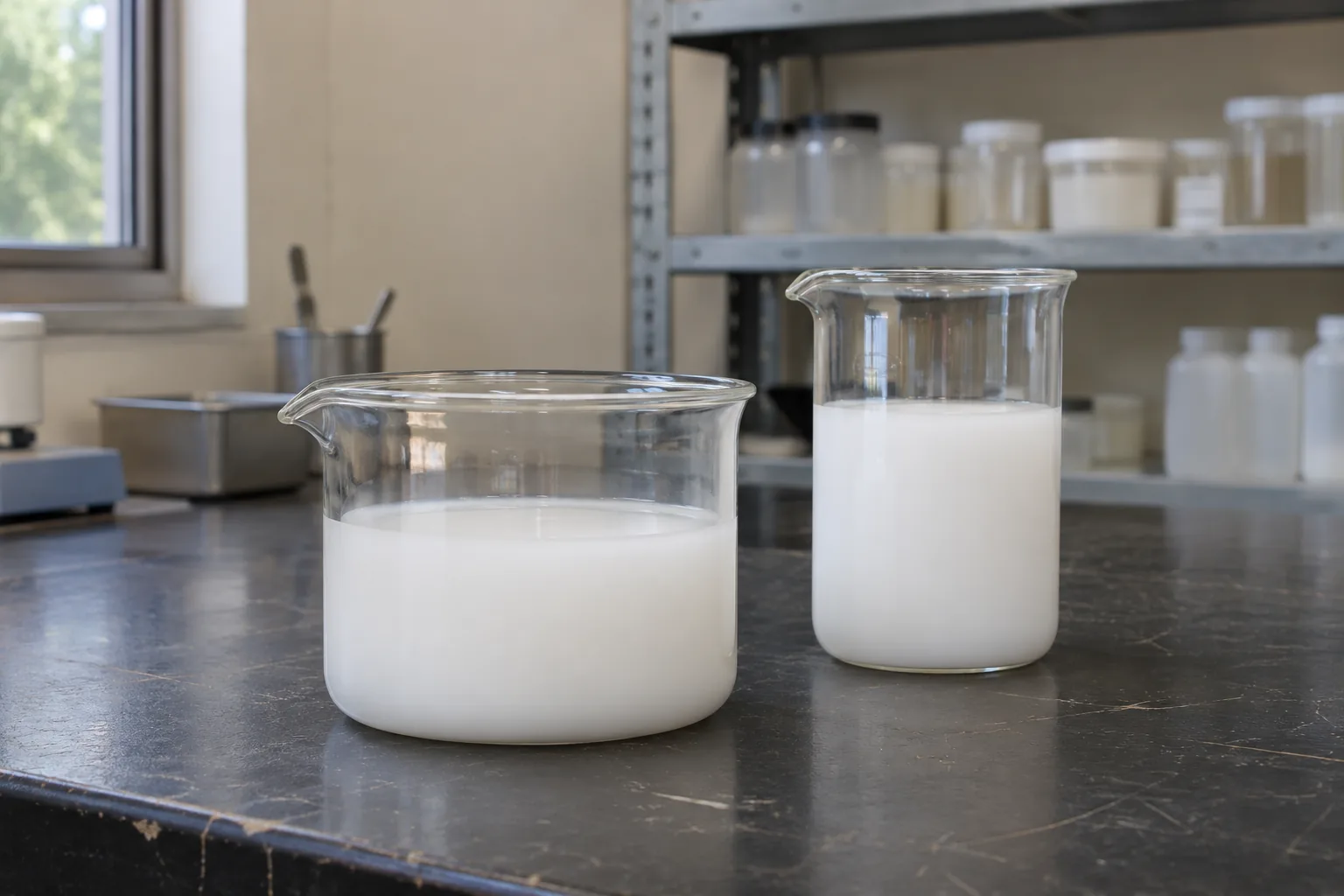
EMS-4000 vs EMS-5100: choosing a silicone emulsion
Compare technical-grade EMS-4000 and EMS-5100 emulsions for gloss, water repellency, mold release and textile lubrication, with 350 and 1,000 cSt bases.
2 min readRead guide
Application testing
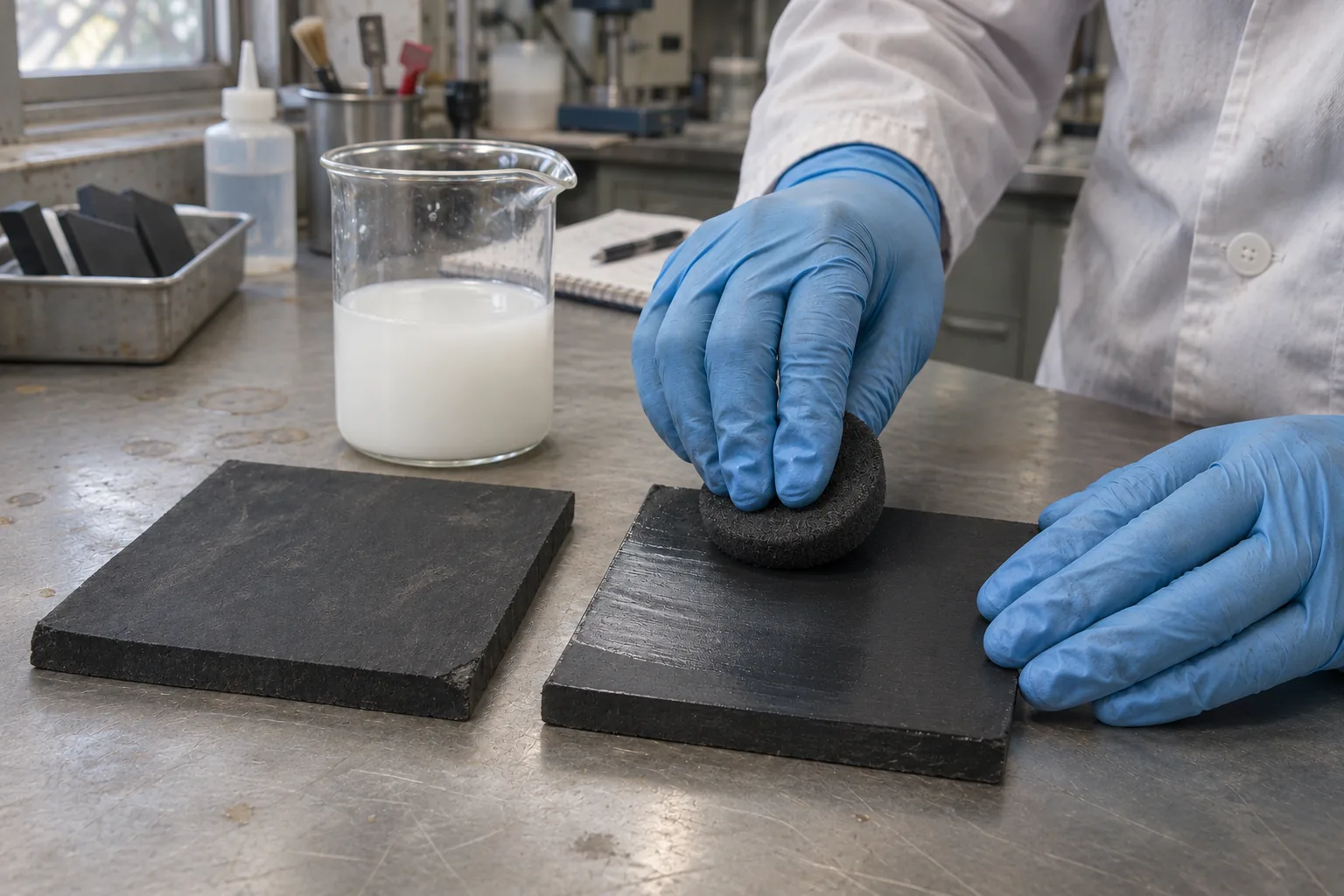
Planning a silicone emulsion application trial
Test technical-grade silicone emulsions for gloss, release and textile lubrication. Compare application uniformity, consumption and finished-product results.
2 min readRead guide
Technical documentation
SDS vs TDS: documents for silicone product qualification
Use SDS and TDS documents to evaluate technical-grade silicone products. Review application performance, test conditions, handling and purchasing requirements.
2 min readRead guide