
Textile processing
Silicone emulsion for yarn and sewing thread lubrication
Evaluate technical-grade EMS-4000 for yarn, hosiery and sewing-thread lubrication. Compare finish distribution, processing consistency and material results.

At a glance
Technical-grade EMS-4000 can be evaluated for yarn manufacture, hosiery production, sewing-thread and sewing-needle lubrication. Focus on finish distribution, handling and processing consistency, then assess the completed textile against your acceptance criteria. Match the application method to the actual fiber, thread and production stage.
Start with the textile operation
Start with the textile result you need: controlled yarn handling, consistent finish application or the required sewing and knitting performance. Identify the exact operation, fiber or thread and existing finish, then select measurements that connect lubrication to processing behavior and finished-material quality.
EMS-4000 is a 60% active, water-based, nonionic silicone emulsion. Its 350 cSt base silicone is one product characteristic, while the supplied emulsion and the prepared finish have their own handling and application requirements. Request current product information for the process you intend to evaluate.
Which measurements make the trial useful?
| Operation | Possible evaluation targets |
|---|---|
| Yarn handling or winding | Finish distribution, tension behavior and observed interruptions |
| Sewing thread application | Uniformity of application and performance in the intended sewing setup |
| Needle lubrication | Results under the equipment-specific operating and acceptance requirements |
| Hosiery or fabric production | Processing consistency and acceptance of the finished material |
Use measurements your team can repeat. Keep a reference material and define a consistent assessment interval so a trial can distinguish normal process variation from a meaningful change.
Control application before comparing performance
- Identify the substrate. Record fiber or thread identity and the relevant construction or existing finish.
- Document preparation. Record the working formulation, concentration, water and preparation method.
- Control application. Use a defined method to assess the amount and uniformity of finish applied.
- Run the relevant process. Use the agreed equipment conditions and evaluation method.
- Inspect the finished material. Include any later processing or finishing required by the specification.
Change one planned variable at a time where practical, and record the product lot and trial conditions. Share the resulting observations with ECO USA when discussing the next evaluation.
How should you compare silicone emulsion candidates?
Distinguish the supplied emulsion percentage from its active silicone contribution. Compare at a defined formulation basis, then evaluate actual application consumption and processing results.
If comparing EMS-4000 and EMS-5100, both are 60% active products, but their base-fluid viscosities are 350 and 1,000 cSt respectively. Those values do not describe the supplied emulsion viscosity and do not establish which product will meet a particular textile requirement.
What should a textile lubrication inquiry include?
Send the fiber or thread, process stage, application equipment, current finish, operating conditions and required processing or finished-material result. Include estimated consumption, trial quantity and required documentation.
Can I choose from base-fluid viscosity alone? Use it as part of product screening, then evaluate the supplied material and complete finishing process.
Where can I obtain product documents? Request the EMS-4000 SDS and TDS from ECO USA so your team has the current information for its material and process review.
Sources & product documents
Products in this guide
Product knowledge
Related guides
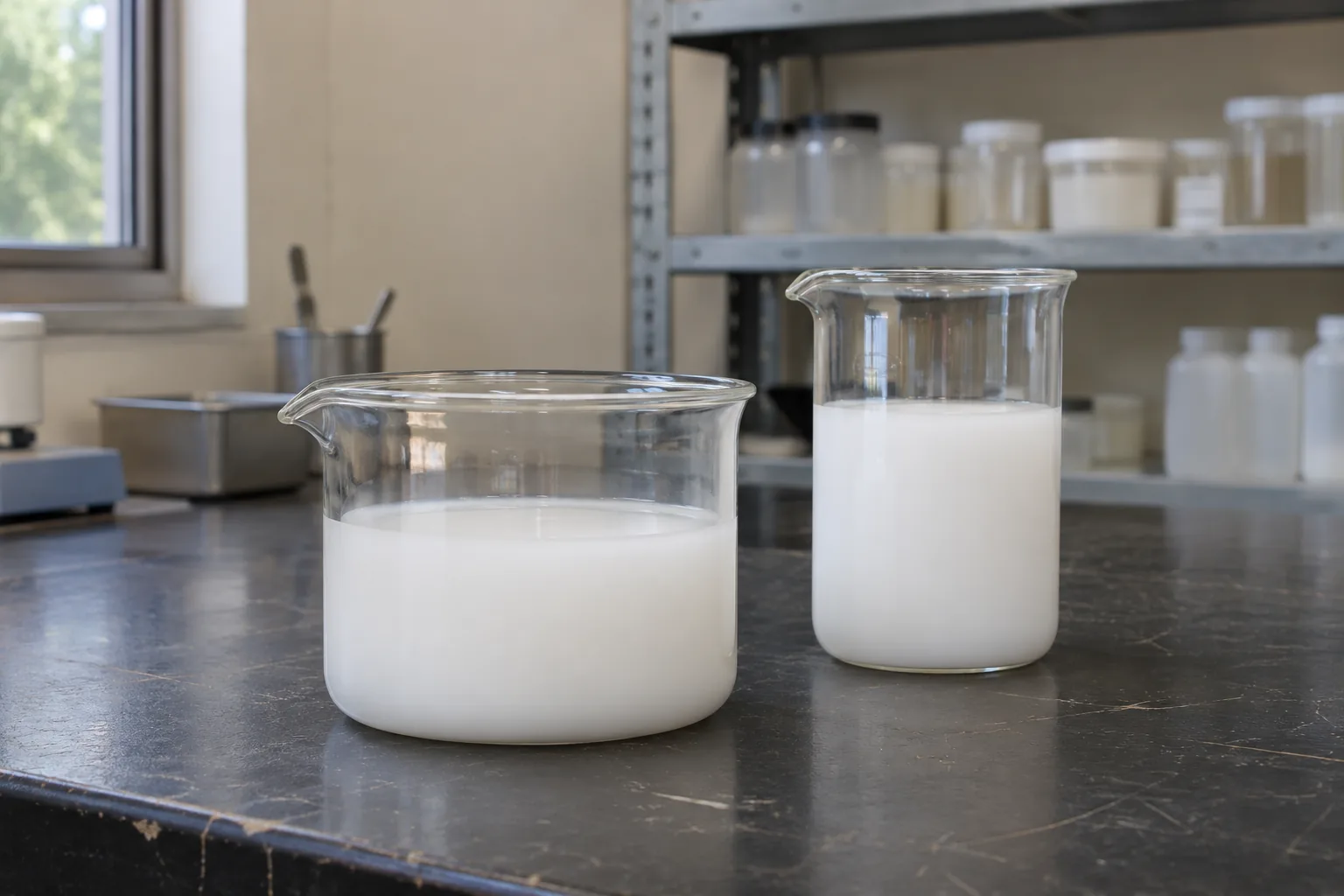
Emulsion comparison
EMS-4000 vs EMS-5100: choosing a silicone emulsion
Compare technical-grade EMS-4000 and EMS-5100 emulsions for gloss, water repellency, mold release and textile lubrication, with 350 and 1,000 cSt bases.
2 min readRead guide
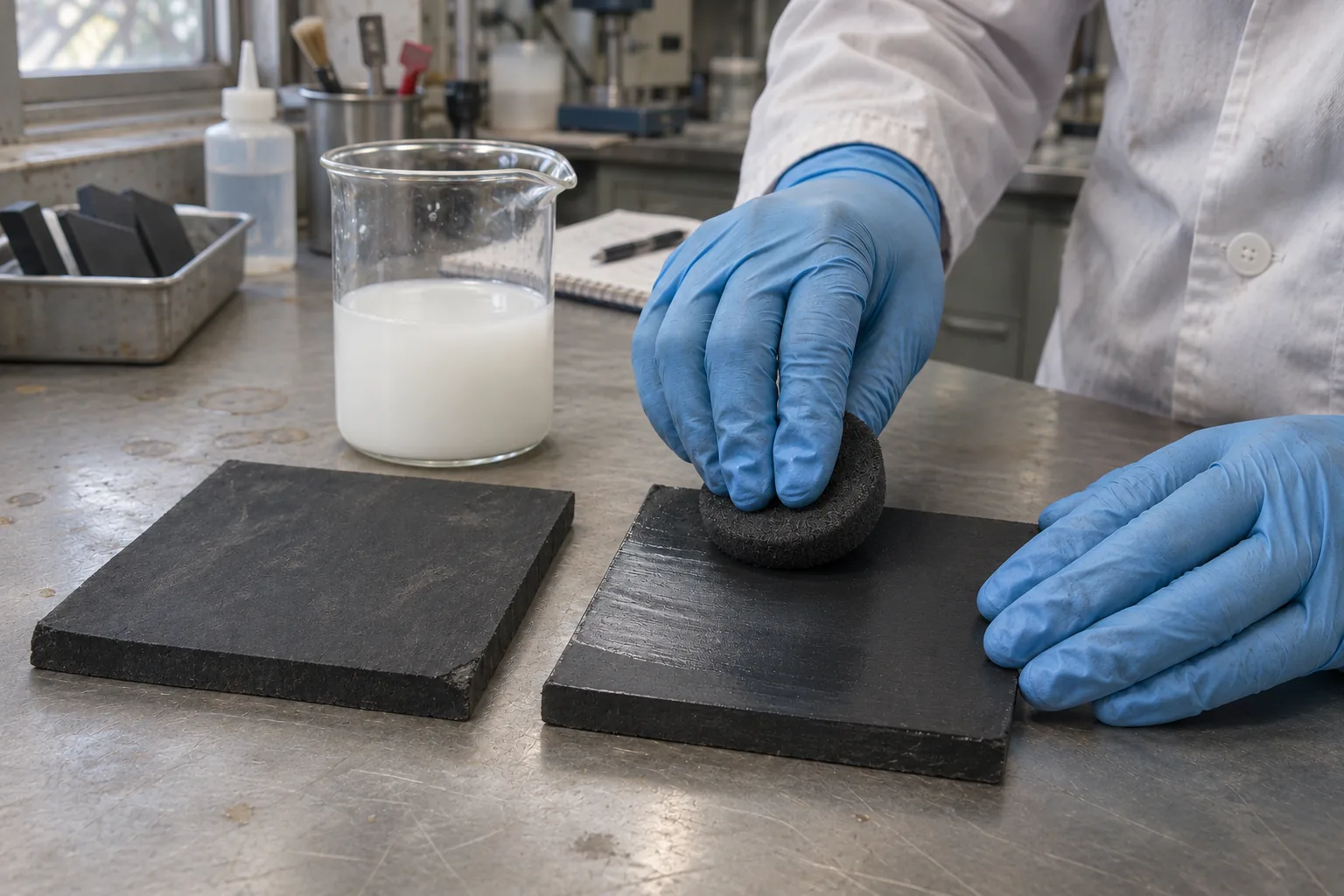
Application testing
Planning a silicone emulsion application trial
Test technical-grade silicone emulsions for gloss, release and textile lubrication. Compare application uniformity, consumption and finished-product results.
2 min readRead guide
Technical documentation
SDS vs TDS: documents for silicone product qualification
Use SDS and TDS documents to evaluate technical-grade silicone products. Review application performance, test conditions, handling and purchasing requirements.
2 min readRead guide