
Water-based mold release
Water-based silicone emulsion for rubber and plastic mold release
Evaluate technical-grade EMS-4000 for water-based rubber and plastic mold release. Compare coverage, release consistency, residue and part finish.
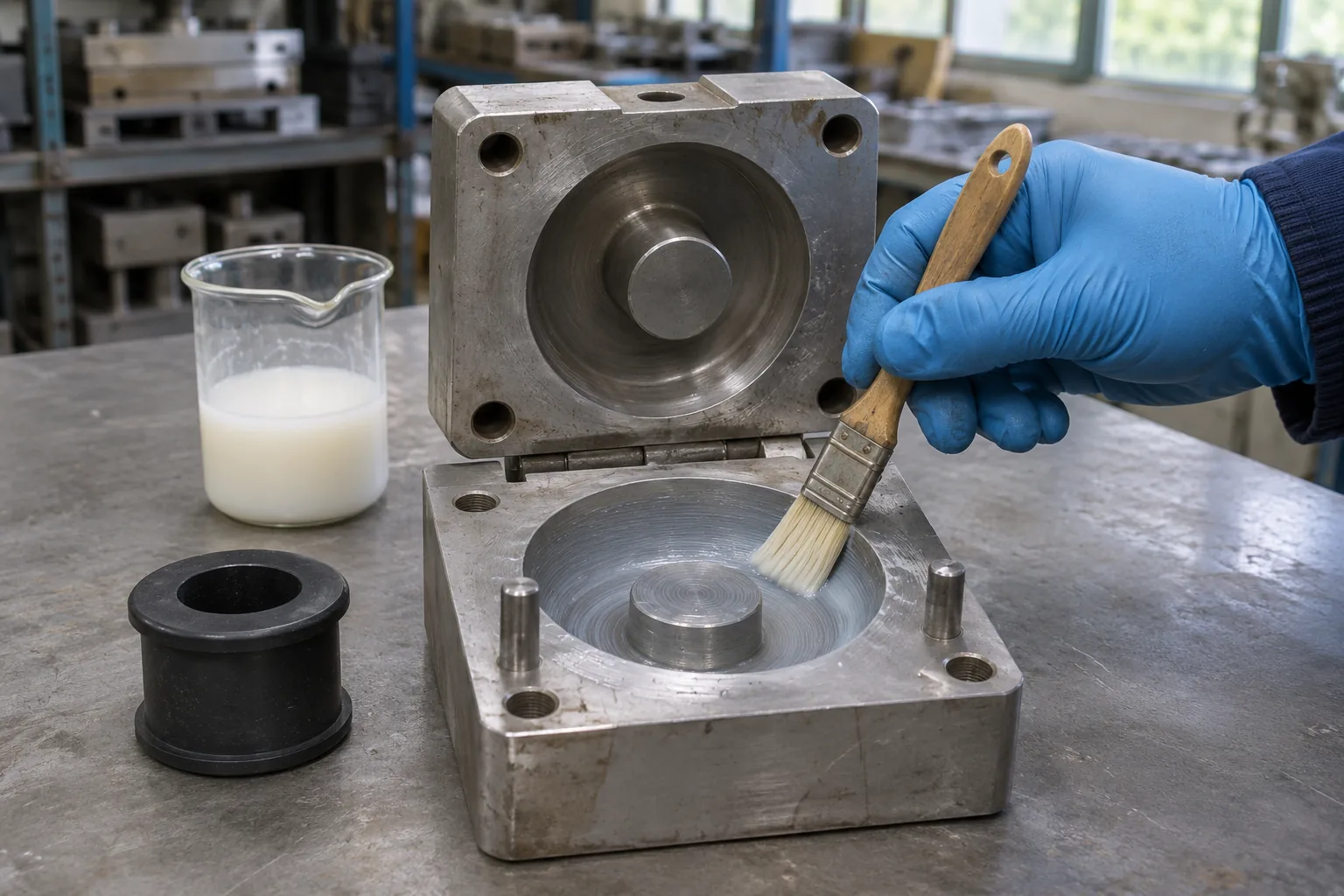
At a glance
Technical-grade EMS-4000 is a water-based, nonionic silicone emulsion used in rubber and plastic mold-release applications. Focus on uniform coverage, consistent demolding and the required part finish. Evaluate the working concentration and application method with your molded material, tooling and downstream processing requirements.
Why consider a water-based silicone release emulsion?
A water-based silicone release emulsion is an option when the supplied carrier and application method fit the molding process. EMS-4000 contains 60% active silicone with a 350 cSt PDMS base fluid. Compare coverage, demolding and the finished-part result alongside working-formulation handling.
General industrial references describe silicone emulsions as release materials for rubber and plastic molding. For EMS-4000, identify the actual part, mold surface and processing conditions so your evaluation addresses the production requirement rather than only the material category.
What should a release trial measure?
| Stage | What to record |
|---|---|
| Application | Coverage, quantity applied, equipment settings and preparation method |
| Demolding | Release consistency against the established process reference |
| Part inspection | Appearance, visible residue and acceptance of the finished surface |
| Continued use | Observed results over the defined evaluation interval |
Keep the molded compound, preparation, equipment and process conditions comparable. Record the product and lot for each trial, along with any deviation from the written plan.
How should you choose a working concentration?
Request guidance for your proposed application method and formulation. The 60% active content describes the supplied emulsion; it does not establish one dilution ratio for every mold, polymer and process.
Document the working concentration, water requirements, mixing method and time between preparation and use. Check uniformity and any visible separation during the interval relevant to production. Define acceptance criteria before comparing candidates.
Include the part’s next processing step
If the molded part will be cleaned, printed, painted or bonded, include that operation in qualification. Evaluate the finished process sequence rather than reviewing only whether the part leaves the mold.
Share those requirements with ECO USA when discussing a release material. A successful trial should demonstrate the required release and the required downstream result for the specific part.
Emulsion or silicone oil: what is the difference?
Consider EMS-4000 when a water-based supplied material fits your process. DMS-300 is a PDMS silicone oil, which is a different delivery form. Our silicone oil versus emulsion guide explains the distinction.
What should I include in a mold release inquiry? Send the molded material, mold surface, relevant processing conditions, application equipment, current release system and required finish. Include estimated consumption and the documents needed for your material review.
Does nonionic mean compatible with every formulation? Evaluate the complete working formulation with the materials and conditions it will encounter. Request the current SDS and TDS before planning the trial.
Sources & product documents
Products in this guide
Product knowledge
Related guides
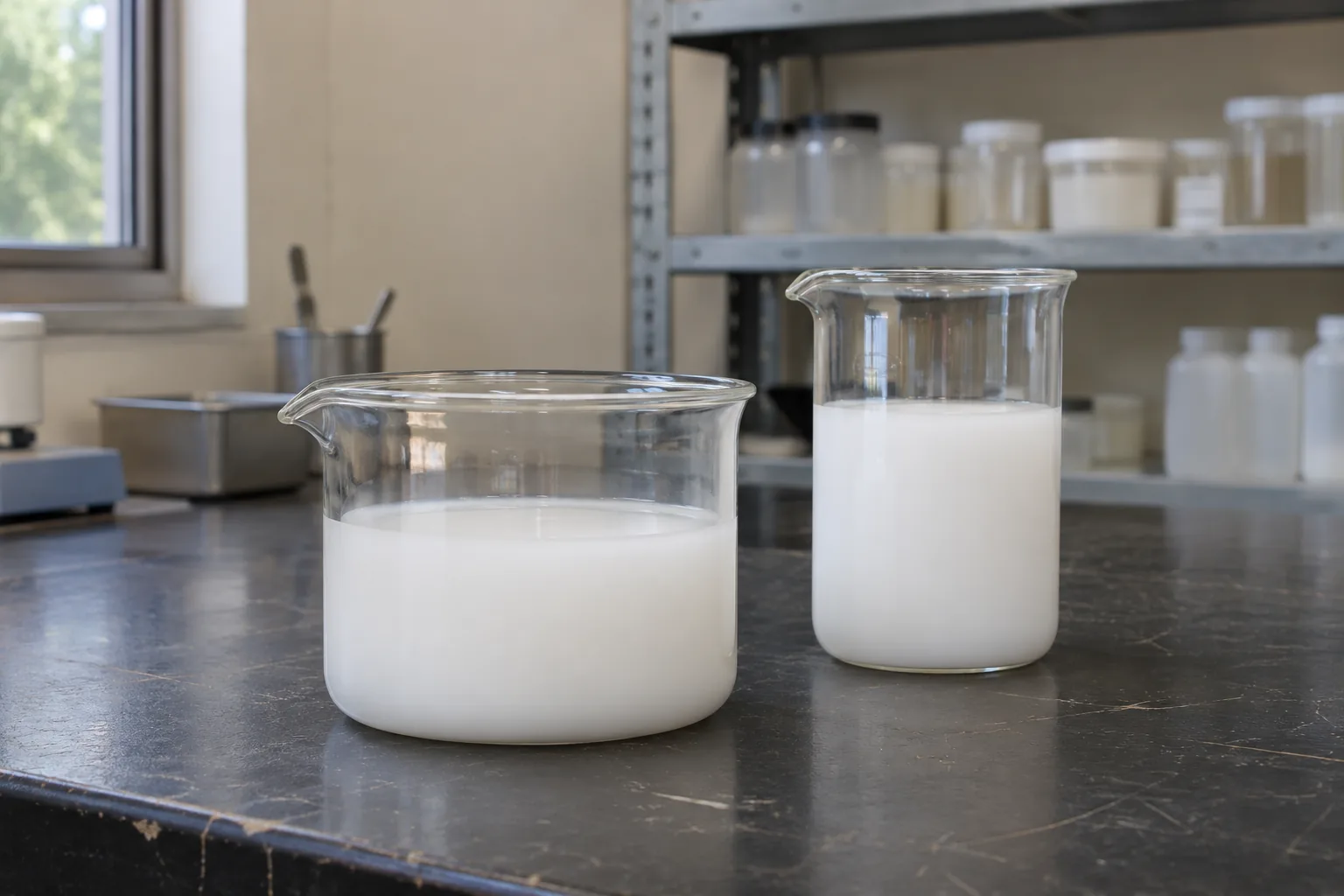
Emulsion comparison
EMS-4000 vs EMS-5100: choosing a silicone emulsion
Compare technical-grade EMS-4000 and EMS-5100 emulsions for gloss, water repellency, mold release and textile lubrication, with 350 and 1,000 cSt bases.
2 min readRead guide
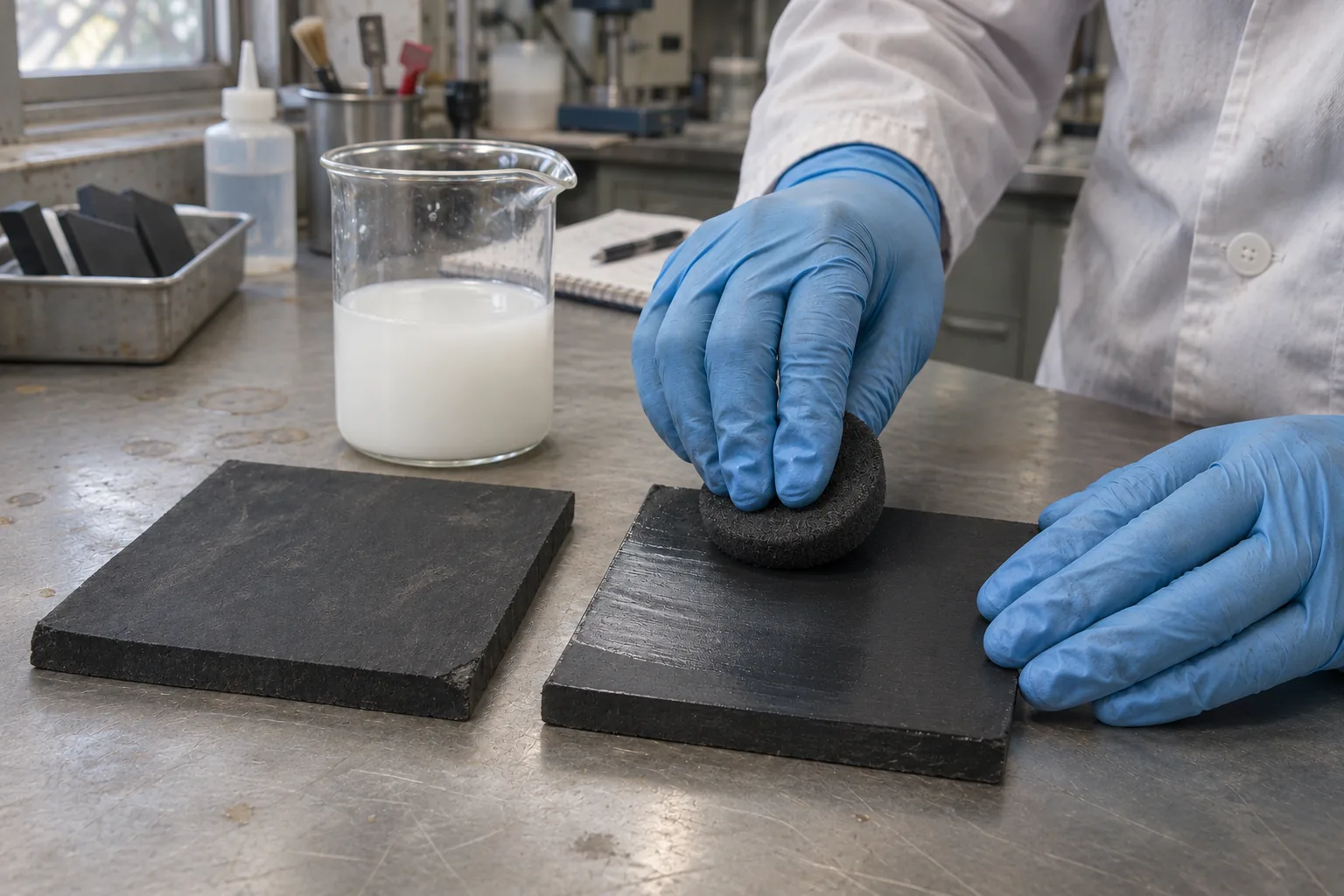
Application testing
Planning a silicone emulsion application trial
Test technical-grade silicone emulsions for gloss, release and textile lubrication. Compare application uniformity, consumption and finished-product results.
2 min readRead guide
Technical documentation
SDS vs TDS: documents for silicone product qualification
Use SDS and TDS documents to evaluate technical-grade silicone products. Review application performance, test conditions, handling and purchasing requirements.
2 min readRead guide