
Fluid vs emulsion
Silicone oil vs silicone emulsion: which should you specify?
Compare technical-grade PDMS oil and water-based silicone emulsions for release, lubrication and surface-care formulations. Select by process and performance.
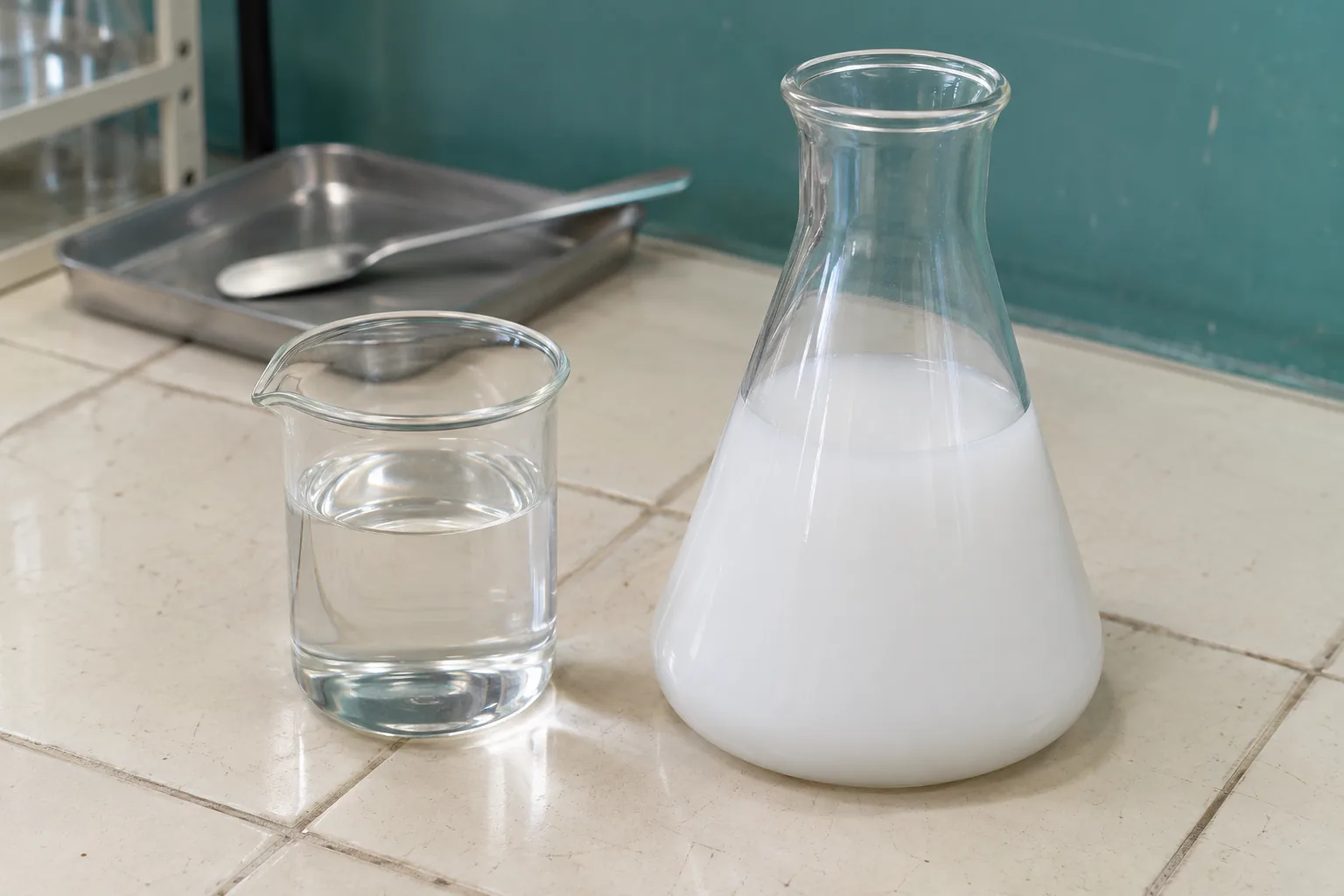
At a glance
Choose a technical-grade silicone fluid or emulsion around the carrier system, application method and performance your process requires. DMS-300 is 100% PDMS silicone oil; EMS-4000 and EMS-5100 are 60% active, nonionic, water-based emulsions. Compare release, lubrication or surface-finish results in the complete formulation, keeping supplied form and active silicone content distinct.
What is the difference between silicone oil and emulsion?
Silicone oil provides the fluid directly; a water-based emulsion provides silicone dispersed in an aqueous system. This supplied-form choice affects incorporation and application. Select the form around your process, then evaluate the required release, lubrication, gloss or surface-finish result.
| Product | Supplied form | Viscosity information |
|---|---|---|
| DMS-300 | 100% PDMS silicone fluid | Seven standard grades, 50–60,000 cSt at 25°C |
| EMS-4000 | 60% active water-based emulsion | 350 cSt base silicone fluid |
| EMS-5100 | 60% active water-based emulsion | 1,000 cSt base silicone fluid |
The emulsion base-fluid values do not describe the viscosity of the supplied emulsions. Request the relevant handling and technical information when evaluating the material you will actually pump, mix or apply.
Can you dilute PDMS silicone oil with water?
Plain PDMS silicone oil does not simply dissolve in water. Adding water to DMS-300 does not create the same supplied product as a formulated silicone emulsion. If a water-based carrier is part of your process, discuss EMS-4000 or EMS-5100 and your proposed formulation with ECO USA.
Confirm any working concentration, water requirements, mixing method and storage interval against current product guidance. Neither the 60% active content nor the base-fluid viscosity provides a universal dilution recipe.
Which form fits release, lubrication or care formulations?
- Direct fluid or nonaqueous ingredient: evaluate DMS-300 when your formulation or mechanism calls for a PDMS silicone oil of a specified viscosity.
- Water-based release or lubrication system: evaluate an emulsion when its supplied form fits the application method, then check formulation compatibility and performance.
- Automotive or furniture care: define the carrier system, finish, feel and application method before comparing candidates. Test the completed formulation on the intended surface.
This selection starts with the process rather than assuming one form is better quality. Document the required performance and compare samples against the same acceptance criteria.
How do you make a useful sample comparison?
Write down whether the process requires a fluid or a water-based system, the substrate, equipment, operating conditions and target outcome. Compare the finished formulations or applications under controlled conditions; equal amounts of different supplied products do not by themselves create an equal-performance test.
Keep a record of product identity, lot, concentration, preparation and application method. For a cost comparison, identify whether you are comparing supplied weight, active silicone content or cost per finished part, and use your measured consumption and results.
What should you send with a quotation request?
Send the product or products you want to evaluate, required viscosity or base-fluid information, formulation type, estimated quantity, delivery location and documentation requirements. If you are choosing between EMS-4000 and EMS-5100, see the emulsion comparison guide.
Can an emulsion replace silicone oil directly? A replacement changes the supplied composition and may change the formulation or application method. Qualify the proposed material in your own process before approving the substitution.
Sources & product documents
Products in this guide
Product knowledge
Related guides

Fluid selection
How to choose a PDMS silicone fluid viscosity
Choose technical-grade DMS-300 PDMS viscosity for flow, release, lubrication or damping. Compare seven standard grades from 50 to 60,000 cSt.
3 min readRead guide

Technical documentation
SDS vs TDS: documents for silicone product qualification
Use SDS and TDS documents to evaluate technical-grade silicone products. Review application performance, test conditions, handling and purchasing requirements.
2 min readRead guide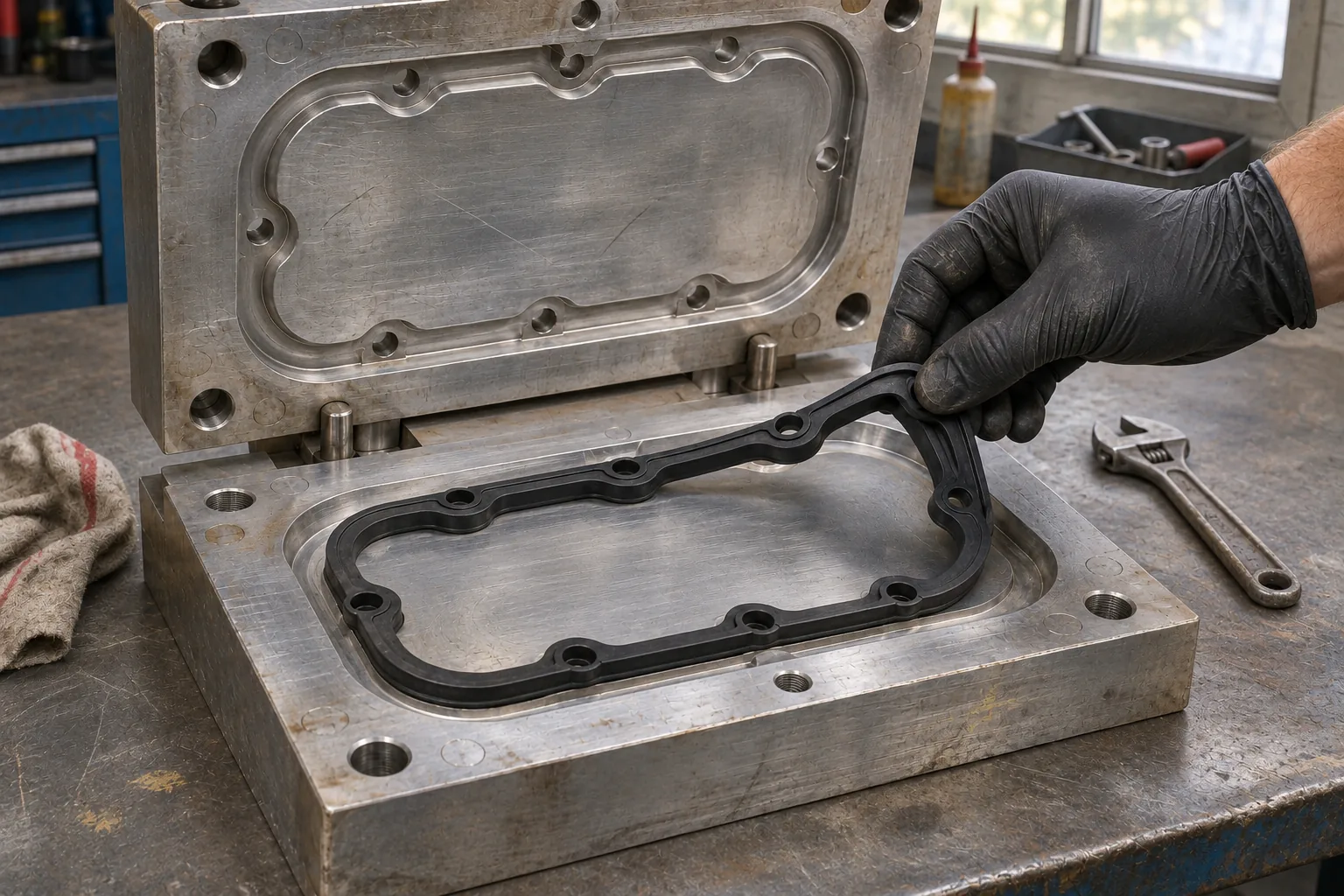
Mold release
PDMS silicone oil for rubber and plastic mold release
Evaluate technical-grade DMS-300 silicone oil for rubber and plastic mold release. Compare application coverage, demolding consistency and part finish.
2 min readRead guide