
Damping & lubrication
Choosing silicone oil for damping and plastic lubrication
Select technical-grade DMS-300 for damping and plastic-lubrication trials. Compare motion response, friction and seven viscosities, including 30,000 cSt.
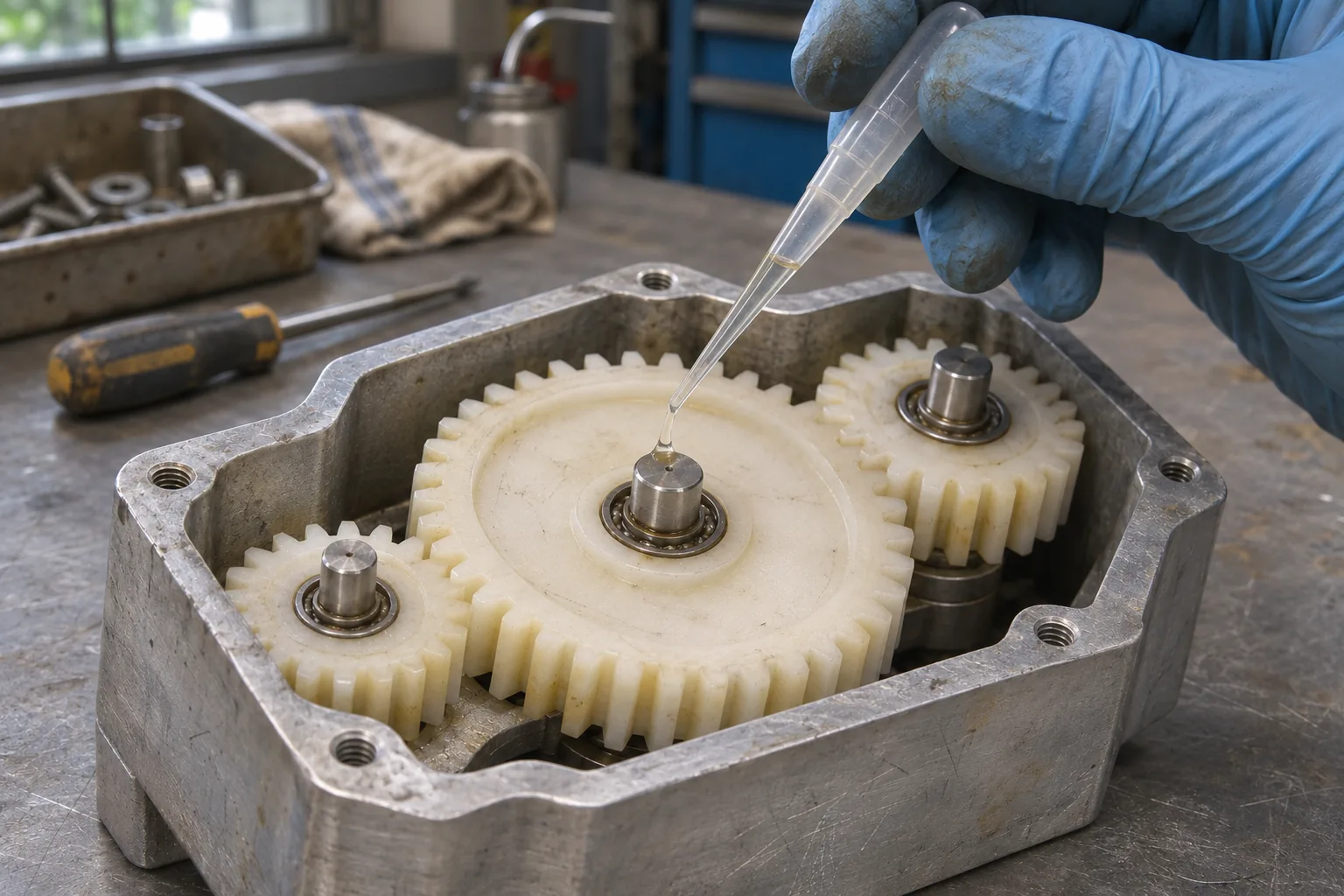
At a glance
Select technical-grade DMS-300 around the required damping response or plastic-lubrication result. Measure motion resistance and travel time for damping, or friction, wear and operating feel for lubrication. Seven standard PDMS grades include 30,000 and 60,000 cSt at 25°C; qualify the selected grade in the actual assembly and materials.
How is damping different from lubrication?
Damping uses resistance to fluid movement to control mechanical motion; lubrication targets friction and wear between contacting surfaces. Define the required travel time or response for a damper, and the friction, wear or operating-feel target for a lubricated assembly, before selecting the silicone-fluid viscosity.
General dimethyl silicone-fluid references describe viscous mechanical uses and temperature-dependent viscosity behavior. These provide background for an evaluation, rather than a device-specific performance guarantee. Define the required travel time, resistance or response for a damper, and the friction, wear or operating-feel target for a lubricated assembly.
When should you evaluate 30,000 or 60,000 cSt silicone oil?
These two DMS-300 grades are standard options when your evaluation calls for a higher-viscosity silicone fluid. Compare them at the same temperature and in the same device geometry. A 60,000 cSt fluid is more viscous than a 30,000 cSt fluid at 25°C, but that comparison alone does not predict the final torque, travel time or service life.
| Input | Why record it? |
|---|---|
| Nominal viscosity and test temperature | Establishes the basis for comparing candidate fluids |
| Mechanism geometry and fill quantity | Keeps the device trial comparable between samples |
| Required motion and load | Defines a measurable acceptance target |
| Operating temperature and cycling | Tests the range of conditions the assembly must meet |
What matters for plastic and elastomer lubrication?
Identify each contacting plastic, elastomer or metal, including its exact material grade where available. Test the assembled system for the required friction, wear, dimensional and appearance results. Include seals and adjacent components in the material review.
General silicone-fluid guidance notes limitations in steel-on-steel boundary lubrication. Do not approve a PDMS fluid for a loaded metal contact solely because it is described as a silicone lubricant. Specify the contact materials and loading conditions when asking ECO USA about a candidate.
For a finished part, evaluate any later painting, printing, bonding or cleaning requirement as part of the trial, rather than reviewing only the initial movement or feel.
Turn the trial result into a purchasing specification
Document the approved product and viscosity, the test temperature, acceptance range, lot identification and assembly procedure used in qualification. If your process requires a custom viscosity, provide the target and tolerance for discussion with ECO USA.
Does a high flash point establish the operating-temperature limit? No. Flash point and continuous-use temperature describe different things. Send your operating conditions and request the current technical data rather than selecting a service temperature from a flash-point value.
What information helps with pricing? Include the selected or target viscosity, application, quantity, delivery requirements and any documentation needed for material approval.
Sources & product documents
Products in this guide
Product knowledge
Related guides

Fluid selection
How to choose a PDMS silicone fluid viscosity
Choose technical-grade DMS-300 PDMS viscosity for flow, release, lubrication or damping. Compare seven standard grades from 50 to 60,000 cSt.
3 min readRead guide

Technical documentation
SDS vs TDS: documents for silicone product qualification
Use SDS and TDS documents to evaluate technical-grade silicone products. Review application performance, test conditions, handling and purchasing requirements.
2 min readRead guide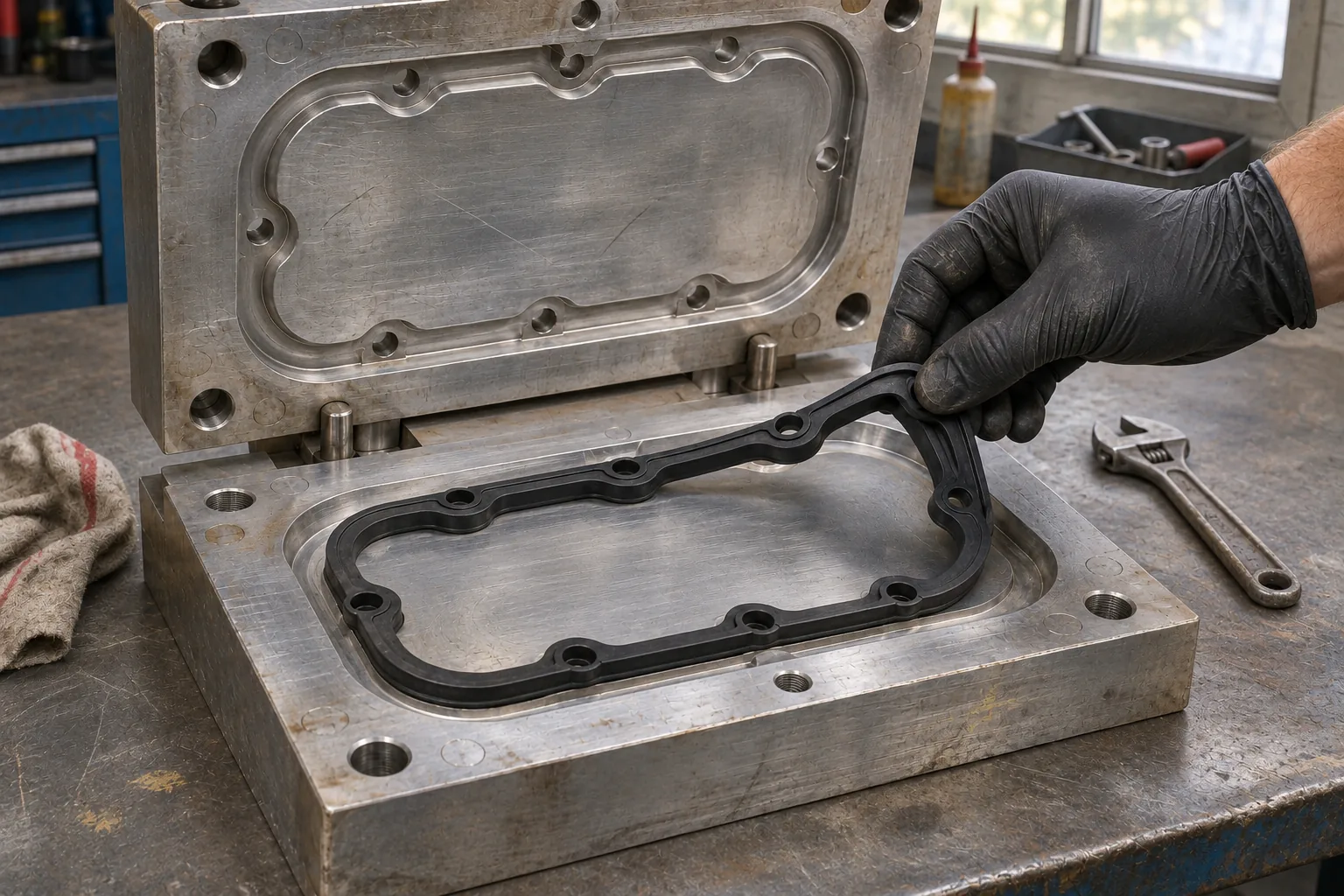
Mold release
PDMS silicone oil for rubber and plastic mold release
Evaluate technical-grade DMS-300 silicone oil for rubber and plastic mold release. Compare application coverage, demolding consistency and part finish.
2 min readRead guide