
Mold release
PDMS silicone oil for rubber and plastic mold release
Evaluate technical-grade DMS-300 silicone oil for rubber and plastic mold release. Compare application coverage, demolding consistency and part finish.
At a glance
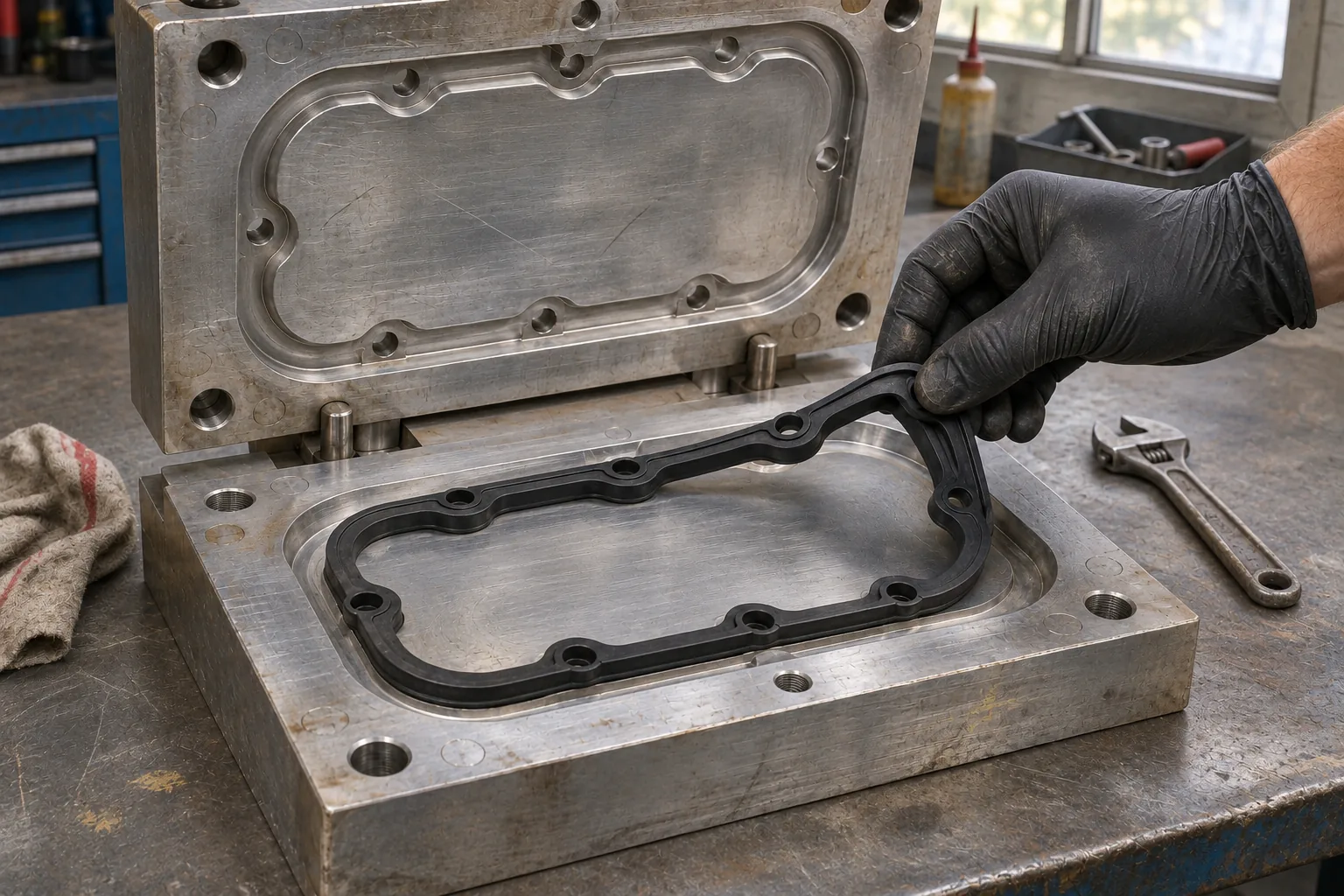
Technical-grade DMS-300 PDMS silicone oil can be evaluated as a release ingredient for rubber and plastic molding. Choose viscosity around application coverage and film behavior, then assess demolding consistency, part appearance and any later coating or bonding step. Match the fluid to the molded material and your actual process conditions.
What does silicone oil do in a mold release application?
A silicone release ingredient helps separate the molded part from the tooling surface. For rubber and plastic applications, focus on coverage, release consistency, visible residue and finished-part appearance. The result depends on the complete formulation, application method and molding process.
SILCULAR™ DMS-300 is a 100% polydimethylsiloxane fluid for industrial use. When discussing silicone oil for rubber or plastic mold release, tell ECO USA whether you are evaluating the fluid itself or incorporating it into a release formulation. Include the molded material, mold surface and processing conditions so the trial addresses the actual application.
Which viscosity should you evaluate for mold release?
DMS-300 standard viscosities are 50, 350, 1,000, 10,000, 12,500, 30,000 and 60,000 cSt at 25°C. At the same temperature, the lower grades flow more readily than the higher grades. Application equipment and the desired film therefore belong in the selection discussion alongside the viscosity number.
There is no single grade in this range that this guide approves for every rubber, resin or mold. Compare candidates using a consistent application method and quantity. Record how evenly the material is applied and what happens to the part surface after release.
If the process calls for a water-based silicone release system, consider an emulsion rather than treating plain silicone oil as water-dilutable. Our silicone oil versus silicone emulsion guide explains that distinction.
Build a mold release trial around measurable results
- Set a reference. Document the current release product and a representative molding cycle.
- Record the substrate. Identify the mold surface, molded material, surface preparation and relevant process temperatures.
- Control application. Keep the equipment, method and amount applied consistent when comparing grades.
- Assess release and finish. Use defined acceptance criteria for demolding, part appearance and visible residue.
- Evaluate the next operation. Include cleaning, coating, printing or bonding steps where the finished part requires them.
Record the product, viscosity, lot and conditions for each trial. This gives your engineering or formulation team a clear basis for deciding whether to proceed.
What should a mold release sample request include?
Send the application, molded material, process conditions, target viscosity and estimated consumption. Include any finishing requirements and the acceptance criteria used in your trial. Ask for the current DMS-300 SDS and TDS when requesting a sample.
Is DMS-300 a ready-to-use spray release product? It is an industrial PDMS silicone fluid. Discuss the intended delivery system and application method with ECO USA; this guide does not specify a spray formulation or dilution recipe.
Can I choose only by cSt? Use viscosity to screen candidates, then confirm the full product requirements and trial results before approving a material for production.
Sources & product documents
Products in this guide
Product knowledge
Related guides

Fluid selection
How to choose a PDMS silicone fluid viscosity
Choose technical-grade DMS-300 PDMS viscosity for flow, release, lubrication or damping. Compare seven standard grades from 50 to 60,000 cSt.
3 min readRead guide

Technical documentation
SDS vs TDS: documents for silicone product qualification
Use SDS and TDS documents to evaluate technical-grade silicone products. Review application performance, test conditions, handling and purchasing requirements.
2 min readRead guide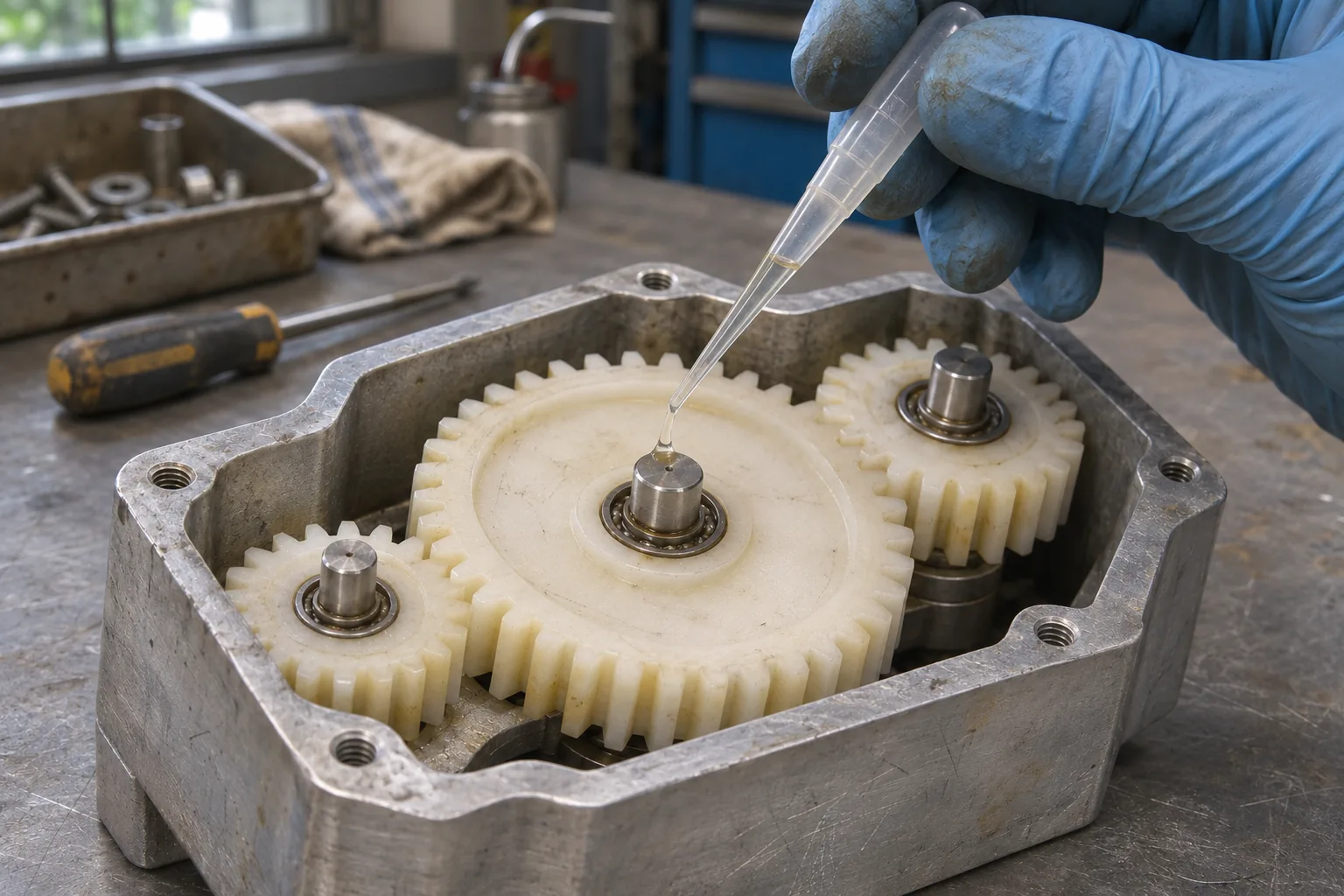
Damping & lubrication
Choosing silicone oil for damping and plastic lubrication
Select technical-grade DMS-300 for damping and plastic-lubrication trials. Compare motion response, friction and seven viscosities, including 30,000 cSt.
2 min readRead guide