
Fluid selection
How to choose a PDMS silicone fluid viscosity
Choose technical-grade DMS-300 PDMS viscosity for flow, release, lubrication or damping. Compare seven standard grades from 50 to 60,000 cSt.

At a glance
Select technical-grade DMS-300 PDMS silicone fluid around the flow, release, lubrication or damping behavior your application requires. Its seven standard grades are 50, 350, 1,000, 10,000, 12,500, 30,000 and 60,000 cSt at 25°C. Compare performance at the relevant test temperature and discuss custom viscosity requirements with ECO USA.
What does cSt tell you?
Centistokes (cSt) describe kinematic viscosity and help you select how readily a silicone fluid flows, spreads or moves through a mechanism. For DMS-300, compare grades at the stated reference temperature of 25°C, then connect that choice to the required finish, release or motion-control result.
A higher grade is more viscous at the same test temperature. That does not, by itself, establish better lubrication, release, finish or service life. Those outcomes depend on the materials, process and conditions in which the fluid is used.
Which DMS-300 grades are standard?
| Standard grades | Selection question |
|---|---|
| 50 · 350 · 1,000 cSt | How readily must the fluid spread, drain or move through your equipment? |
| 10,000 · 12,500 · 30,000 cSt | What flow and film behavior does your process require? |
| 60,000 cSt | Can your handling and dispensing equipment accommodate the target viscosity? |
These groupings organize the available grades; they are not application approvals. Include the exact viscosity and acceptable tolerance in your specification rather than ordering only “silicone oil.”
350 cSt vs 1,000 cSt silicone oil: what should you compare?
Both are standard DMS-300 PDMS silicone oil grades. At the same reference temperature of 25°C, 1,000 cSt is more viscous than 350 cSt. Compare the way each sample dispenses, spreads and performs in the intended formulation or mechanism; the higher number does not establish the better result.
For a higher-viscosity requirement, 10,000, 12,500, 30,000 and 60,000 cSt are also standard options. In a damping trial, measure the device response using the same geometry, quantity and temperature. For release or care formulations, compare application and finished-surface results. See our damping and lubrication guide for a device-focused evaluation plan.
How should you compare sample grades?
- Define the outcome. Record the required flow, finish, release behavior or other measurable performance target.
- Choose a reference. Identify the current fluid, its viscosity and the conditions under which it works.
- Control the trial. Compare samples using the same substrate, dosage, equipment and measurement conditions. Change one variable at a time.
- Check the full process. Observe dispensing, application and the finished part or formulation, including any later coating or bonding operation.
- Document acceptance. Record the grade, lot, temperature, results and pass/fail limits before moving to a larger trial.
What should you include in a quotation request?
Send your target grade, application, operating and test temperatures, estimated quantity, delivery location and required documentation. If you need a custom viscosity, include the target and acceptable range so our team can discuss the requirement.
Is 30,000 cSt available as standard? Yes. It is one of the seven standard DMS-300 viscosities. Confirm current availability and packaging with ECO USA when requesting pricing.
Can one grade replace another automatically? A viscosity match is a starting point for qualification. Confirm the full product specification and evaluate the proposed fluid in your application before approving a substitution.
Sources & product documents
Products in this guide
Product knowledge
Related guides

Technical documentation
SDS vs TDS: documents for silicone product qualification
Use SDS and TDS documents to evaluate technical-grade silicone products. Review application performance, test conditions, handling and purchasing requirements.
2 min readRead guide
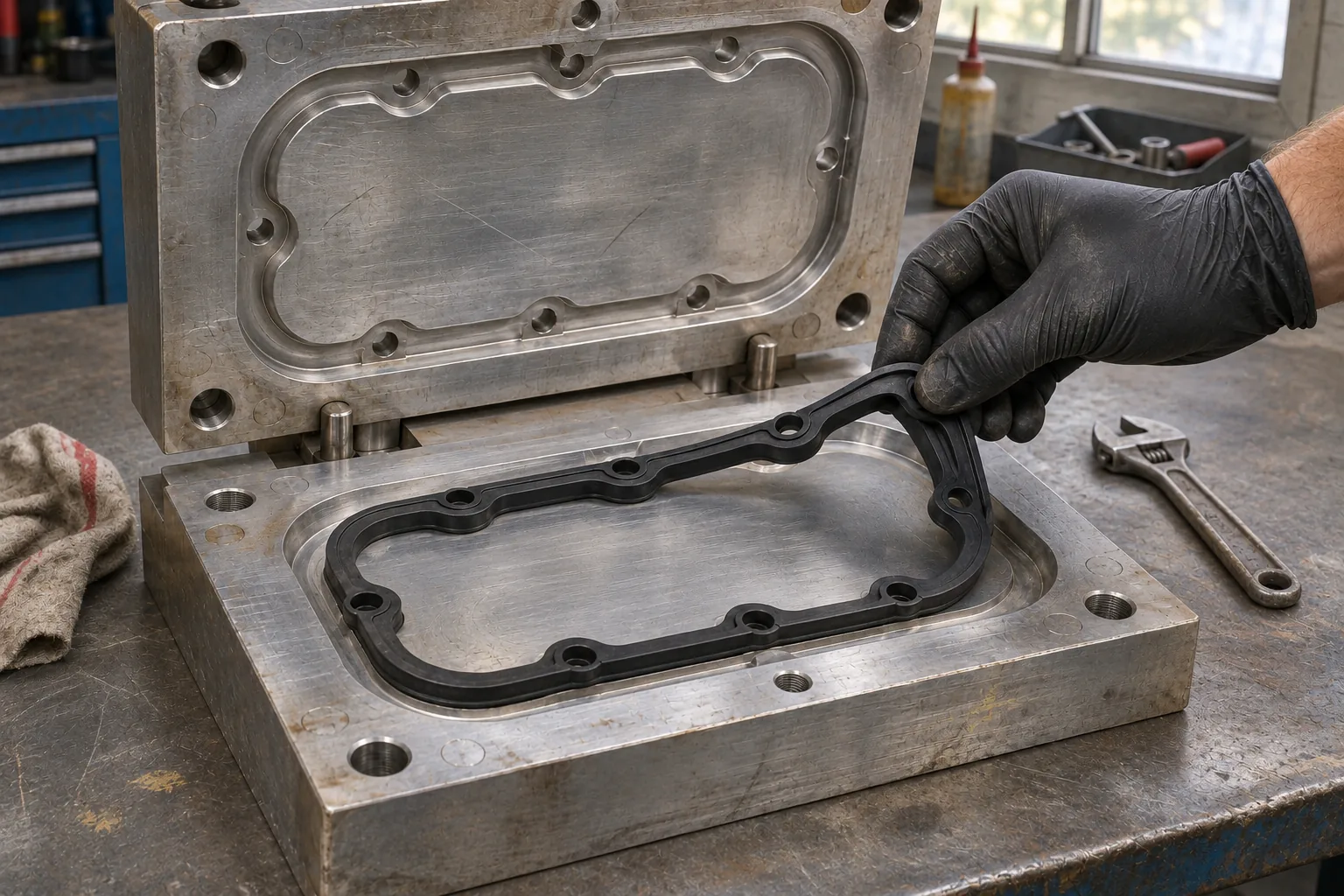
Mold release
PDMS silicone oil for rubber and plastic mold release
Evaluate technical-grade DMS-300 silicone oil for rubber and plastic mold release. Compare application coverage, demolding consistency and part finish.
2 min readRead guide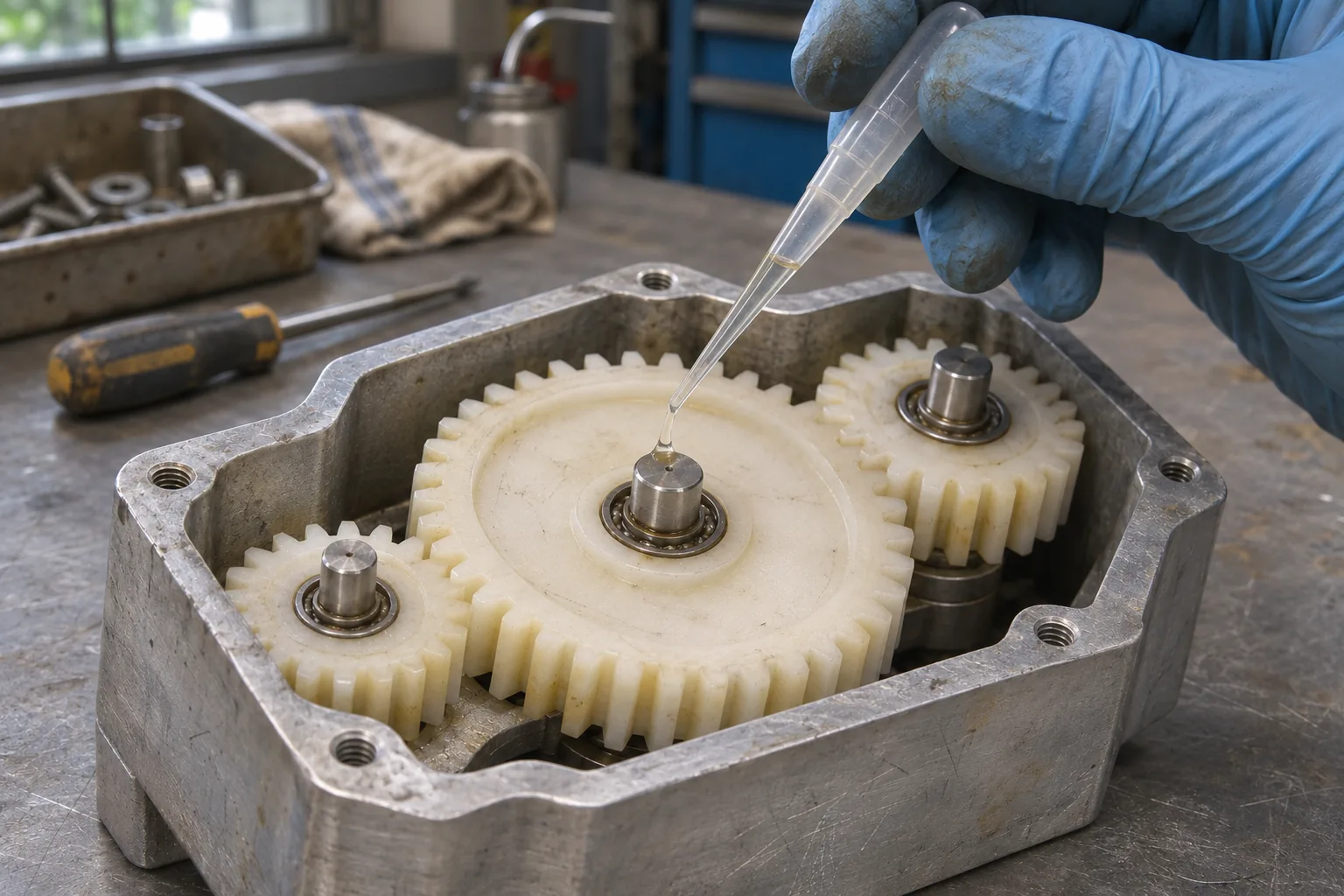
Damping & lubrication
Choosing silicone oil for damping and plastic lubrication
Select technical-grade DMS-300 for damping and plastic-lubrication trials. Compare motion response, friction and seven viscosities, including 30,000 cSt.
2 min readRead guide